How to Choose Glass for Heat, Wildfire and Earthquake Risk
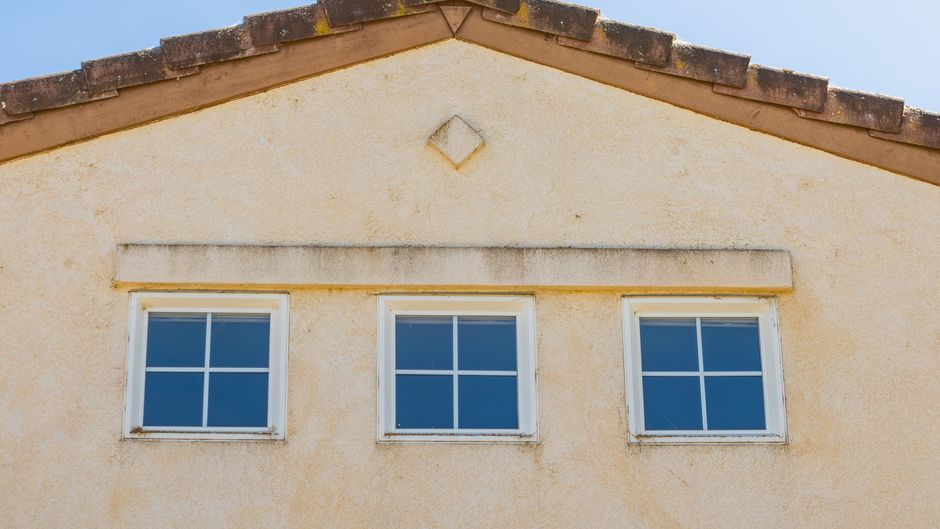
By the time the old sash is out and the glass is leaning against the wall, the glazing choice has already been made, and in San Bernardino the label on that glass matters more than the frame color, as the notes at new windows san bernardino comedy club williamsburg describe. A new window gets judged on two numbers and one thin coating, and most of the rest follows from those.
Reading the NFRC label
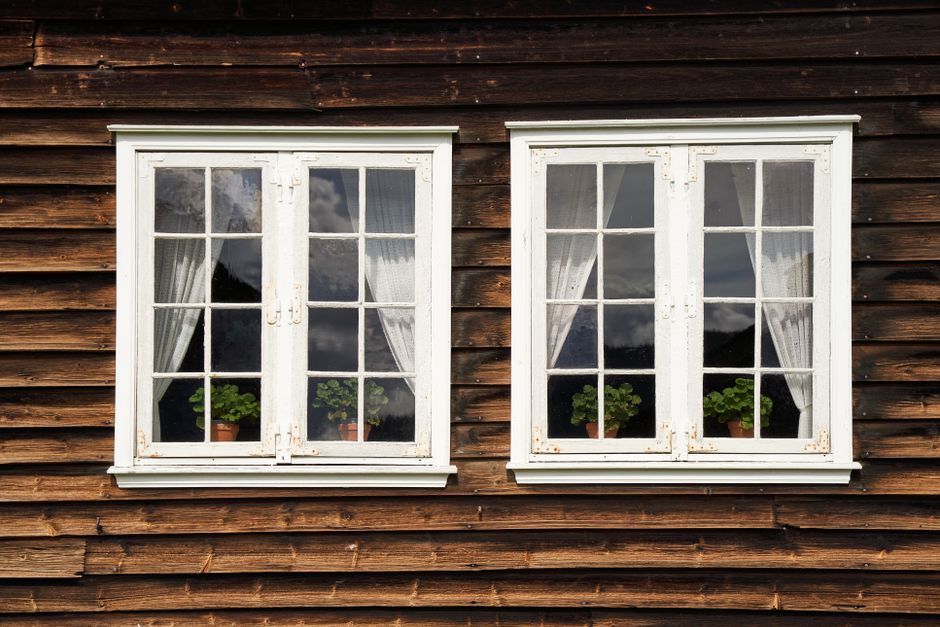
The NFRC label lists U-factor, where lower insulates better, and Solar Heat Gain Coefficient, where lower blocks more solar heat. In San Bernardino County summers, with afternoon sun hitting west walls, the heat gain number does most of the work. U-factor still counts on winter nights when the valley floor drops cold. Compare the two numbers on the same window type, since a casement and a picture window with identical glass rate differently.
Low-E coatings
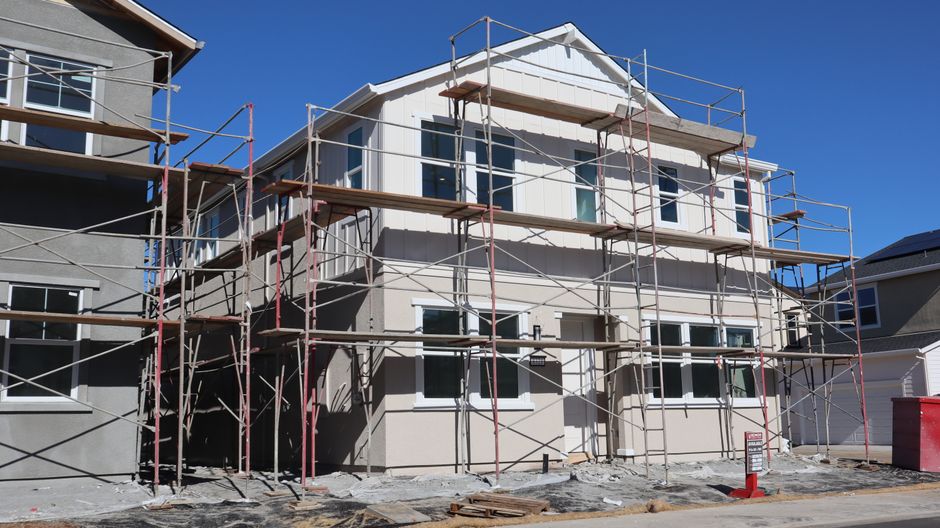
Spectrally selective low-E coatings let in much visible light while reflecting a large share of infrared heat. The room stays bright. Tinted glass is a different product, because the tint is color in the glass itself and low-E is a thin coating on a surface. In hot climates the coating usually sits on the inner face of the outer pane, so heat is rejected before it enters. A double pane unit built that way is the working baseline in Redlands and Loma Linda as much as in the city.
Tempered glass and wildfire
Tempered glass is heat treated to be several times stronger than standard annealed glass, and it breaks into small, blunt pieces. A tempered outer pane resists cracking from radiant heat longer than annealed glass, which matters in foothill areas exposed to wildfire. Longer is not forever. No window is fireproof, and the frame, the seals and the vents fail on their own schedule.
Laminated glass
Laminated glass bonds a plastic interlayer between panes, holding fragments in place when cracked and blocking most UV. On a street-facing bedroom window, a cracked pane stays in the opening instead of falling out. Floors and fabric near the glass also see less UV. The unit weighs more, so check the hardware rating on a double hung before ordering it in that style.
Shaking and the opening
Shaking from faults such as the San Andreas fault can rack wall framing, and a racked opening pinches glass at the corners. Tempered or laminated glass lowers the hazard from sharp shards. Before ordering, measure the opening at both diagonals and at three heights. A vinyl window in a rough opening that is out of square will bind in a single hung or a slider long before it leaks. Shim at the points where the frame is fastened, and leave the gap for foam and sealant. Glass type is chosen on the label, but the opening decides how well it performs.